Pet Surgery in Silver Spring, MD
Surgery is never something we take lightly. Whether it’s a routine procedure or something more complex, our focus at Fairland Animal Hospital in Silver Spring, MD is on keeping your pet safe, comfortable, and supported every step of the way.
Personalized, Carefully Monitored Surgical Care
We build personalized surgical and anesthesia plans based on your pet’s age, health, and history, so their care is tailored long before they ever enter the surgery suite. From spay and neuter procedures to mass removals and other surgical needs, our goal is simple: thoughtful medicine, clear communication, and a team that stays with your pet from start to finish. Every procedure is supported by a dedicated team, including a veterinarian and trained assistants who continuously monitor anesthesia, adjust as needed, maintain body temperature, and ensure a smooth, safe recovery. That level of attention stays consistent until your pet is back in your arms.
General Surgery
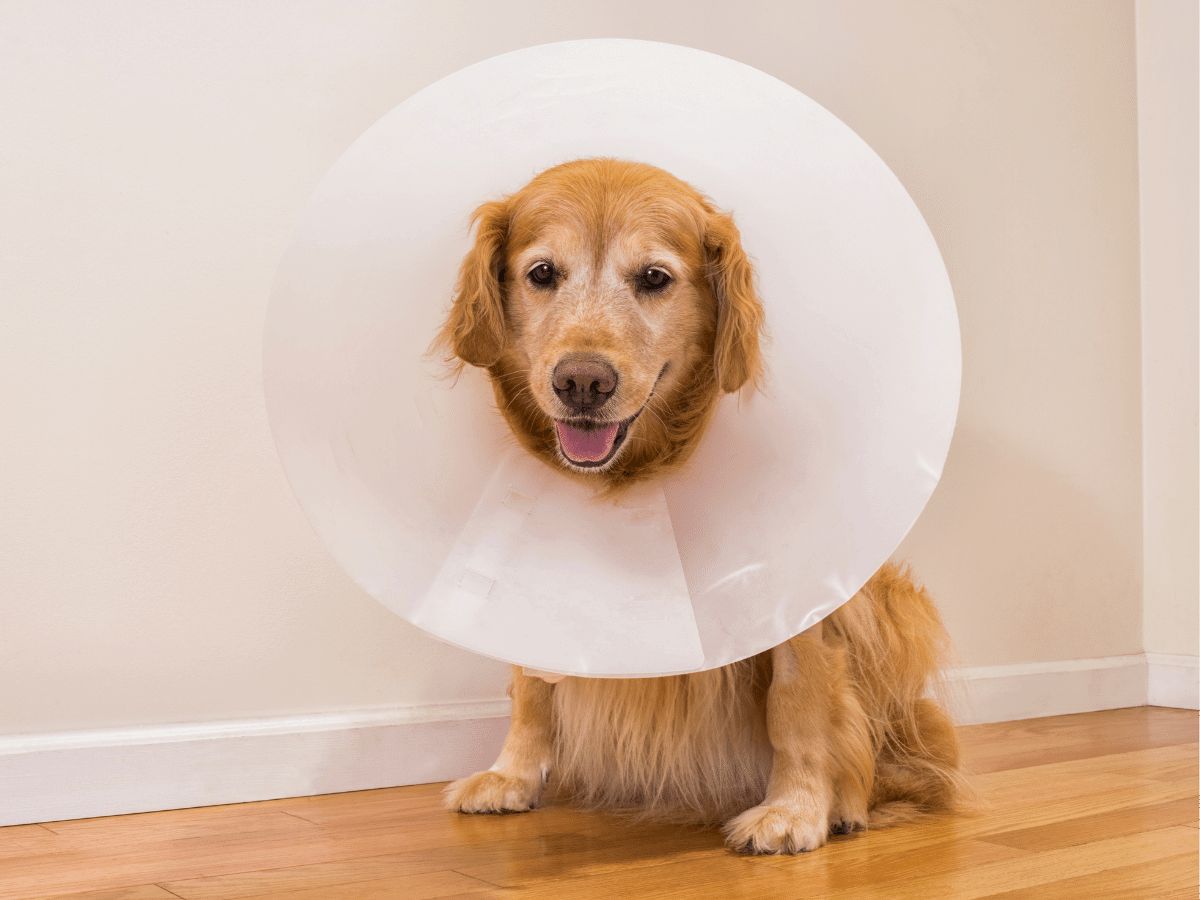
When your pet needs surgery, we focus on preparation, safety, and recovery just as much as the procedure itself. We tailor anesthesia protocols to each individual patient, taking into account their age, breed, medical history, and current condition. Throughout the procedure, your pet is closely monitored and supported to keep them stable, comfortable, and safe. If a case requires a specialist, we’ll always guide you in that direction. Our priority is making sure your pet gets the right care, not just keeping everything in-house.
Spay & Neuter
Deciding whether and when to spay or neuter your pet is an important conversation, and you won’t receive a cookie-cutter answer. We’re here to walk through the pros, risks, and timing with you so you can make the choice that feels right for your pet.
Spaying involves removing the ovaries and uterus, which prevents pregnancy and eliminates the risk of pyometra, a serious uterine infection. It may also reduce the risk of certain cancers. However, early spaying can be associated with increased risk of orthopedic disease, urinary incontinence, and some cancers in certain breeds.
Neutering involves removing the testicles, which prevents reproduction and eliminates the risk of testicular cancer and torsion. It may also reduce some hormone-driven behaviors, though it is not a reliable solution for behavioral concerns on its own. Like spaying, neutering has been associated with certain orthopedic and health risks depending on timing and breed.
While many pets can be spayed or neutered between 6–18 months of age, the ideal timing varies. We’ll help you decide what makes the most sense for your individual pet.
Microchipping
Microchipping is one of the most reliable ways to help your pet get home if they’re ever lost.
We take your pet’s comfort seriously during this process. When possible, we recommend placing microchips while your pet is already under anesthesia for another procedure. If that’s not the case, we use topical numbing medication to make the experience as comfortable as possible.
We use TempScan microchips, which also allow us to gather temperature readings without needing a rectal thermometer in many cases.
Honest Conversations, Every Step of the Way
We believe good medicine starts with honest conversations. That means talking through options, explaining risks and benefits clearly, and helping you make informed decisions without pressure. Whether it’s a routine procedure or something more complex, you’ll always know what to expect and what comes next. Anxious patients are supported with our low-stress care approach, and every plan is backed by our on-site diagnostic capabilities.
Frequently Asked Questions
Is anesthesia safe for my pet?
We build a personalized anesthesia plan based on your pet’s age, health, and history, and a dedicated team continuously monitors them throughout the procedure and recovery.
When should I spay or neuter my pet?
While many pets are spayed or neutered between 6–18 months of age, the ideal timing varies by breed and individual. We’ll talk through the pros, risks, and timing with you.
Will you keep me informed during my pet’s procedure?
Yes. We explain options and risks clearly and keep you informed about what to expect and what comes next, because good medicine starts with honest conversations.